Dakota Rud: A Lifelong Interest in How Things Work
For Dakota Rud, working with machinery has always been a natural fit.

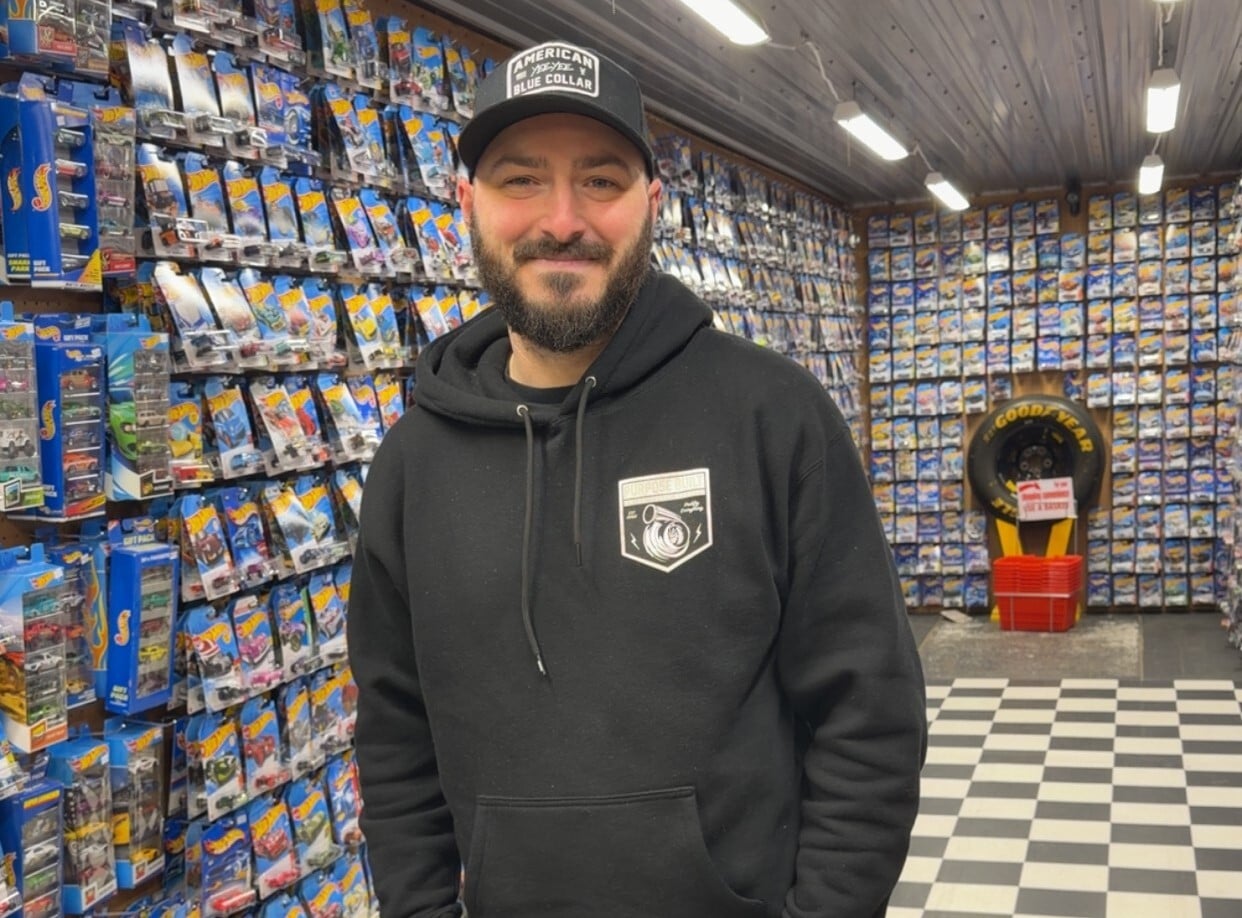
For Dakota Rud, working with machinery has always been a natural fit.
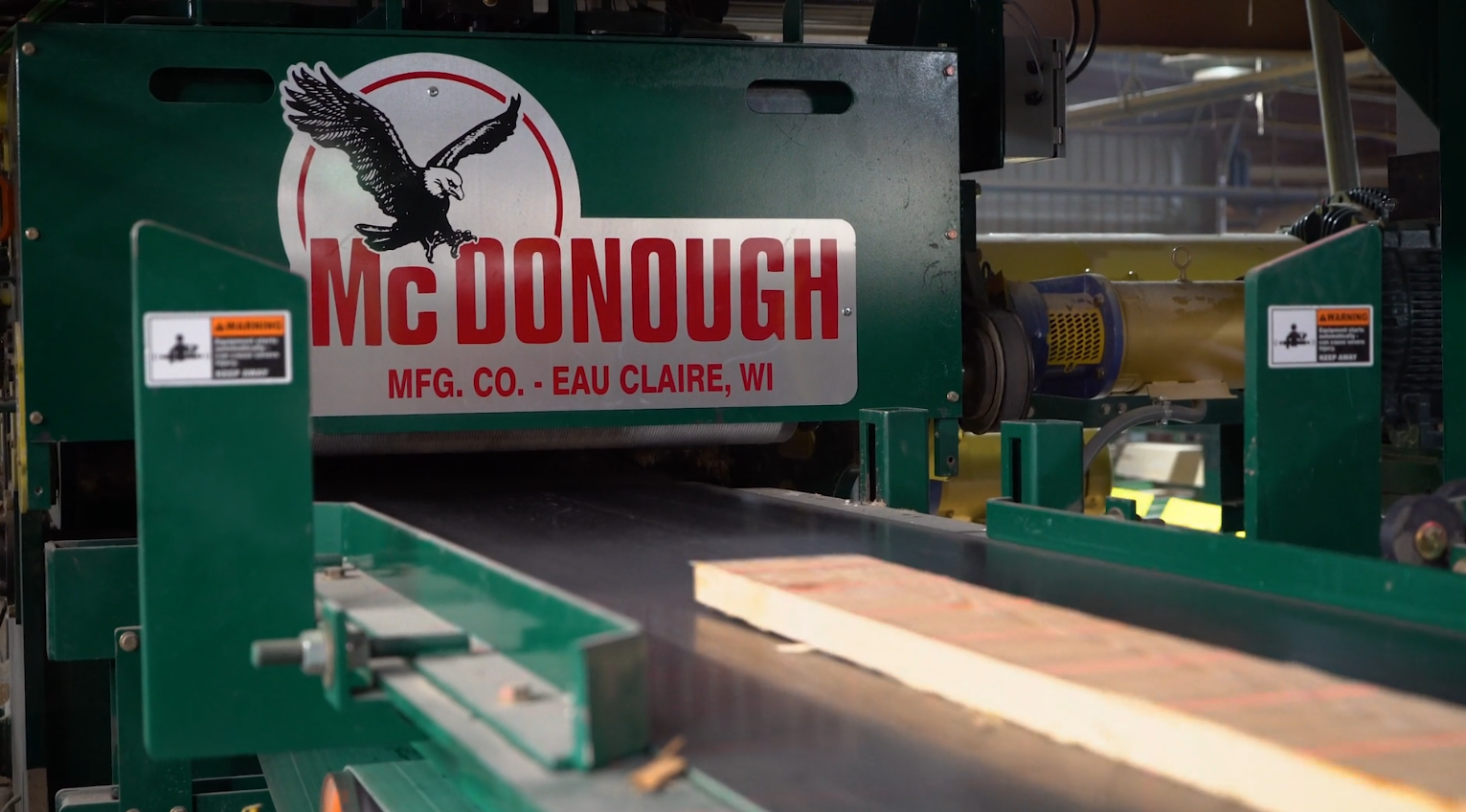
Forestry in the United States is about much more than harvesting trees. It is part of a much larger system that connects forest management, rural communities,...
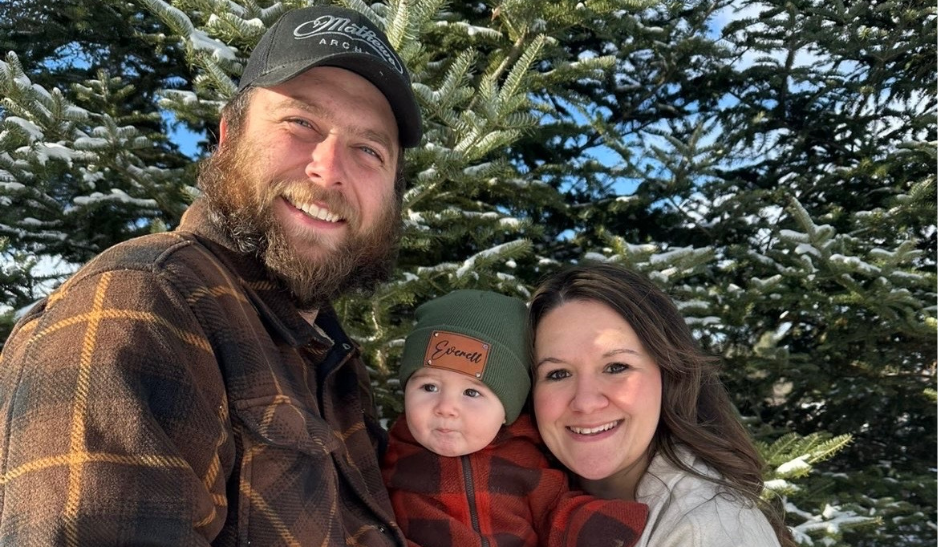
Growing up in Chippewa Falls, Wisconsin, Brandon Schindler didn’t have to travel too far from home to build his career with McDonough Manufacturing.
.png)
A recent post featuring one of our Twin Horizontal Resaws generated plenty of discussion and questions about how the system works and where it fits within a mill. While a social media post only scratches the surface, the engineering behind the Twin Horizontal is what has made it a proven solution for hardwood and softwood operations around the world.
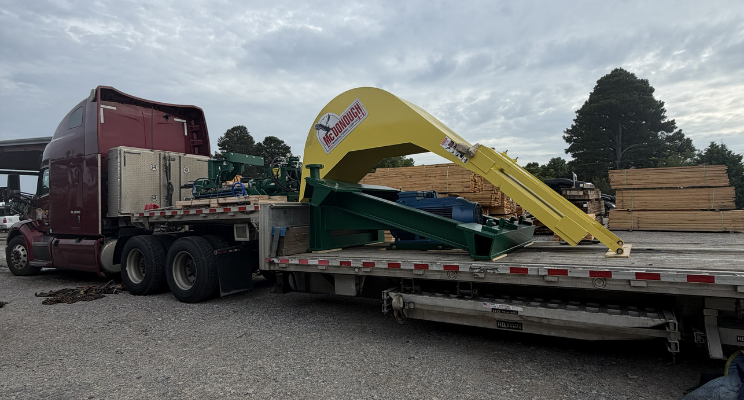
When a fire destroyed Gates Milling's maintenance shop and primary breakdown area, the mill lost its ability to saw logs, bringing a critical part of the operation to a standstill.

One of the questions I am asked most often is what makes McDonough different. While our equipment is certainly part of the answer, I believe the real difference comes from the way we approach our work and the values that guide our decisions.
In many sawmills, the resaw is one of the most important machines on the floor.
.png)
McDonough Manufacturing Welcomes Ryan Marrs as Sales Representative
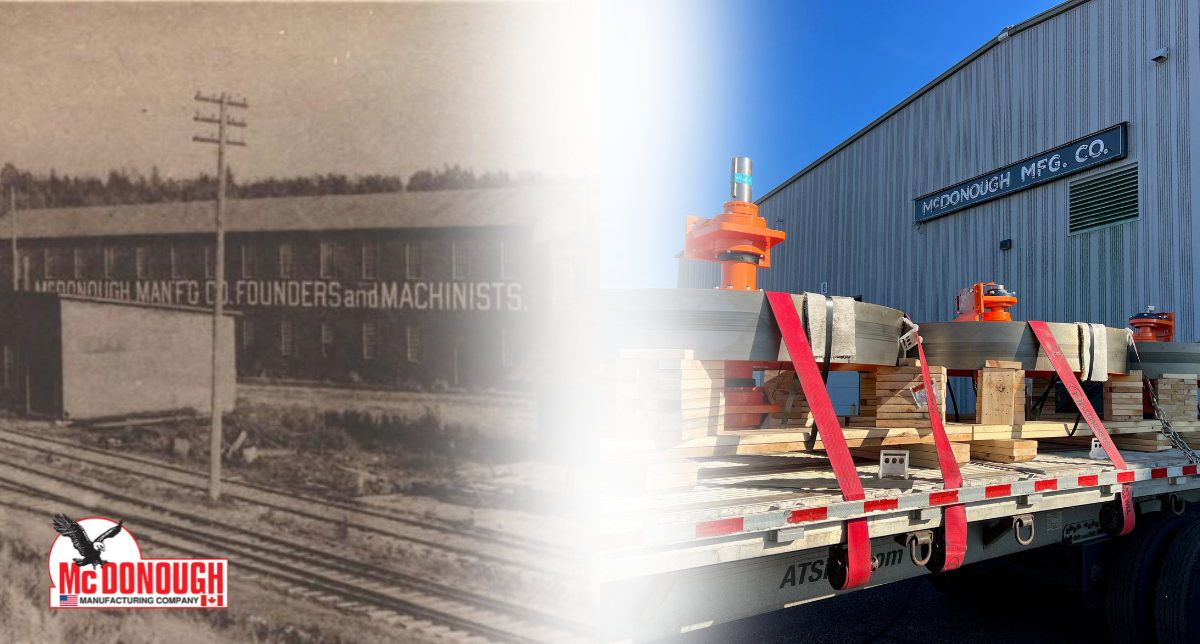
Forestry is often described as an old industry, and it is true that many mills and the communities around them have been operating for generations. What is sometimes overlooked is how much those operations have evolved, and how much the companies supporting them have evolved as well.
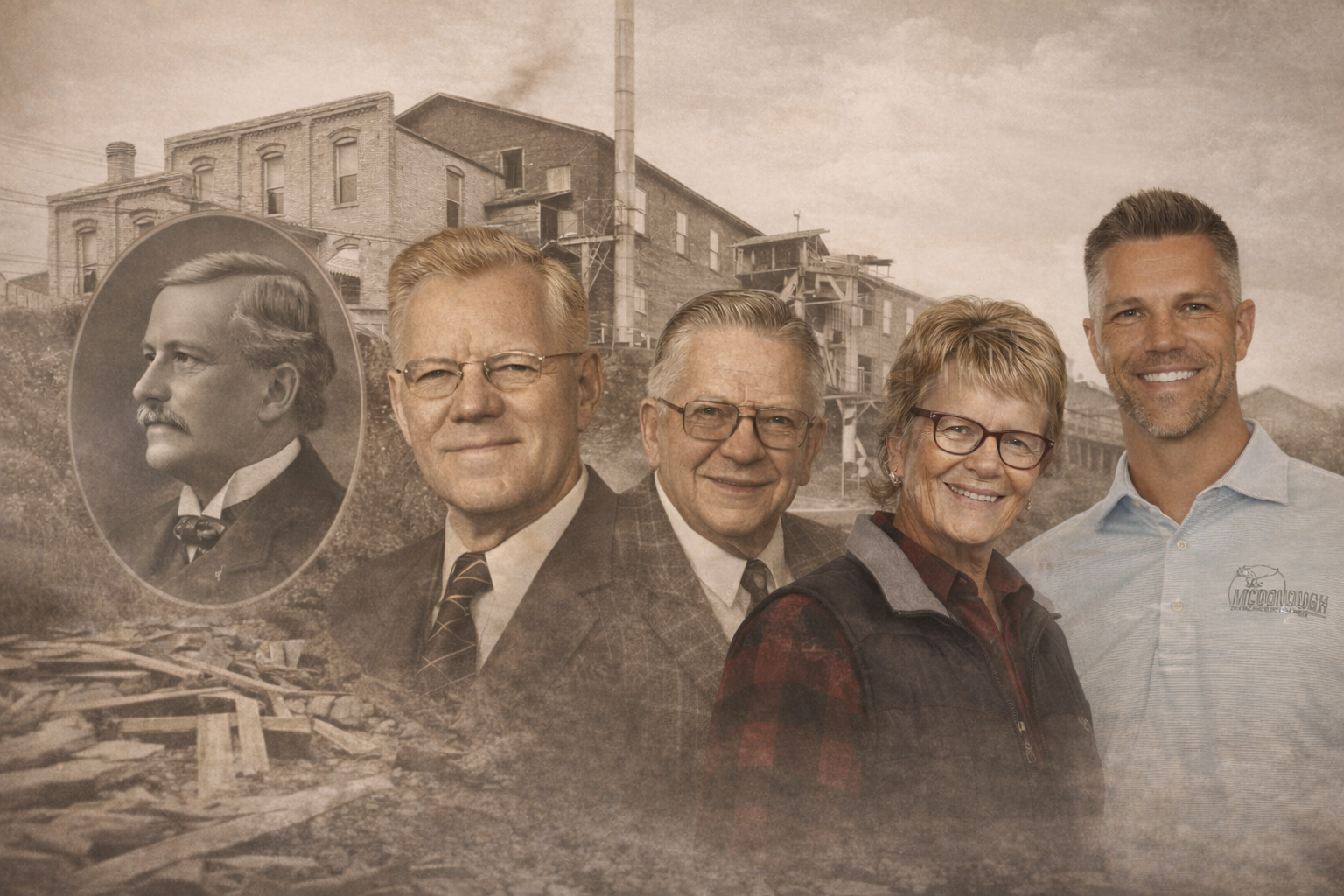
In 1888, Wisconsin’s pine forests were still vast and largely untouched. Towns were growing, sawmills were multiplying, and lumber was essential to building homes and communities across the country. Eau Claire had the rivers and the timber. What it needed was dependable equipment to turn those logs into usable lumber.